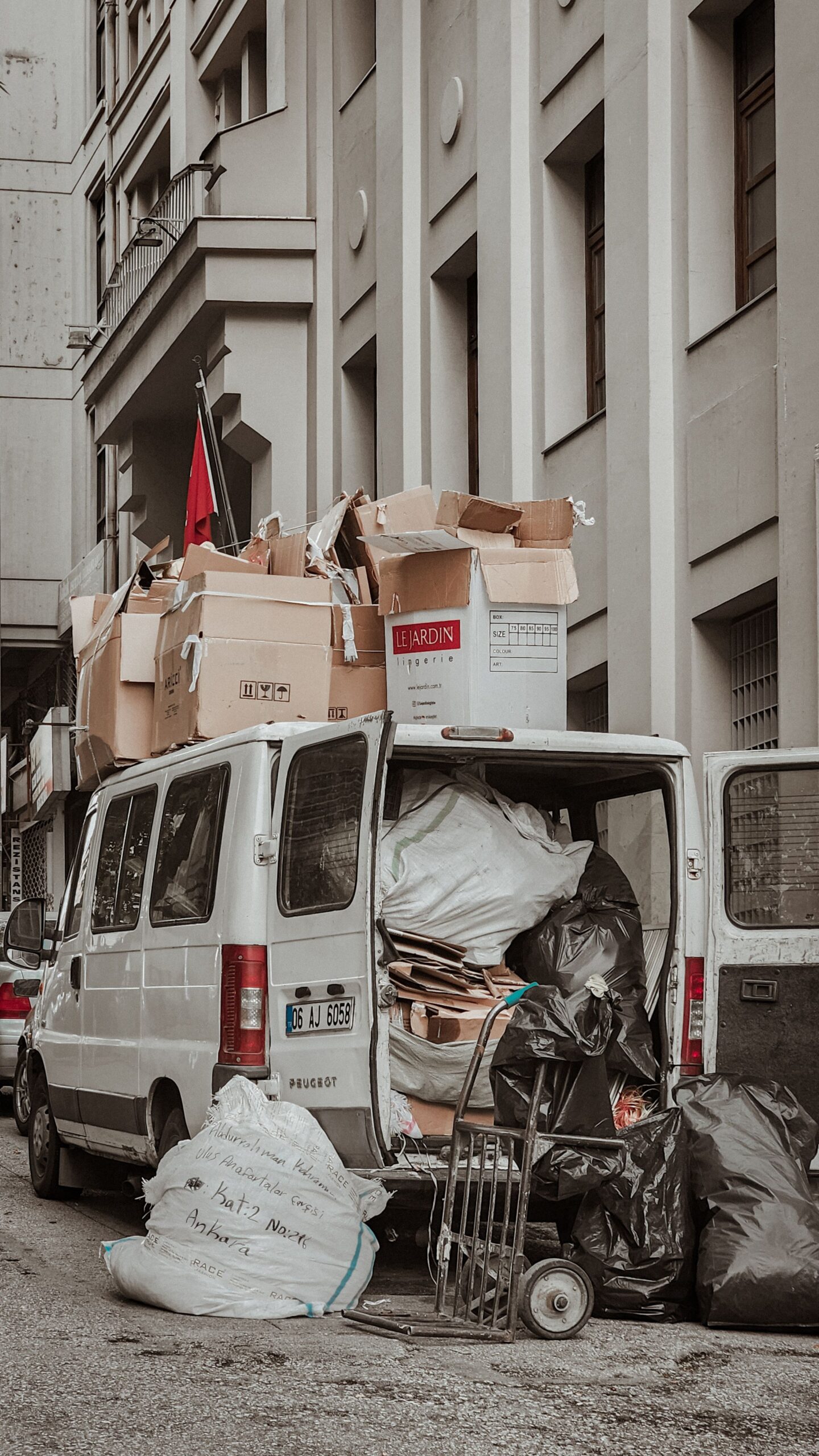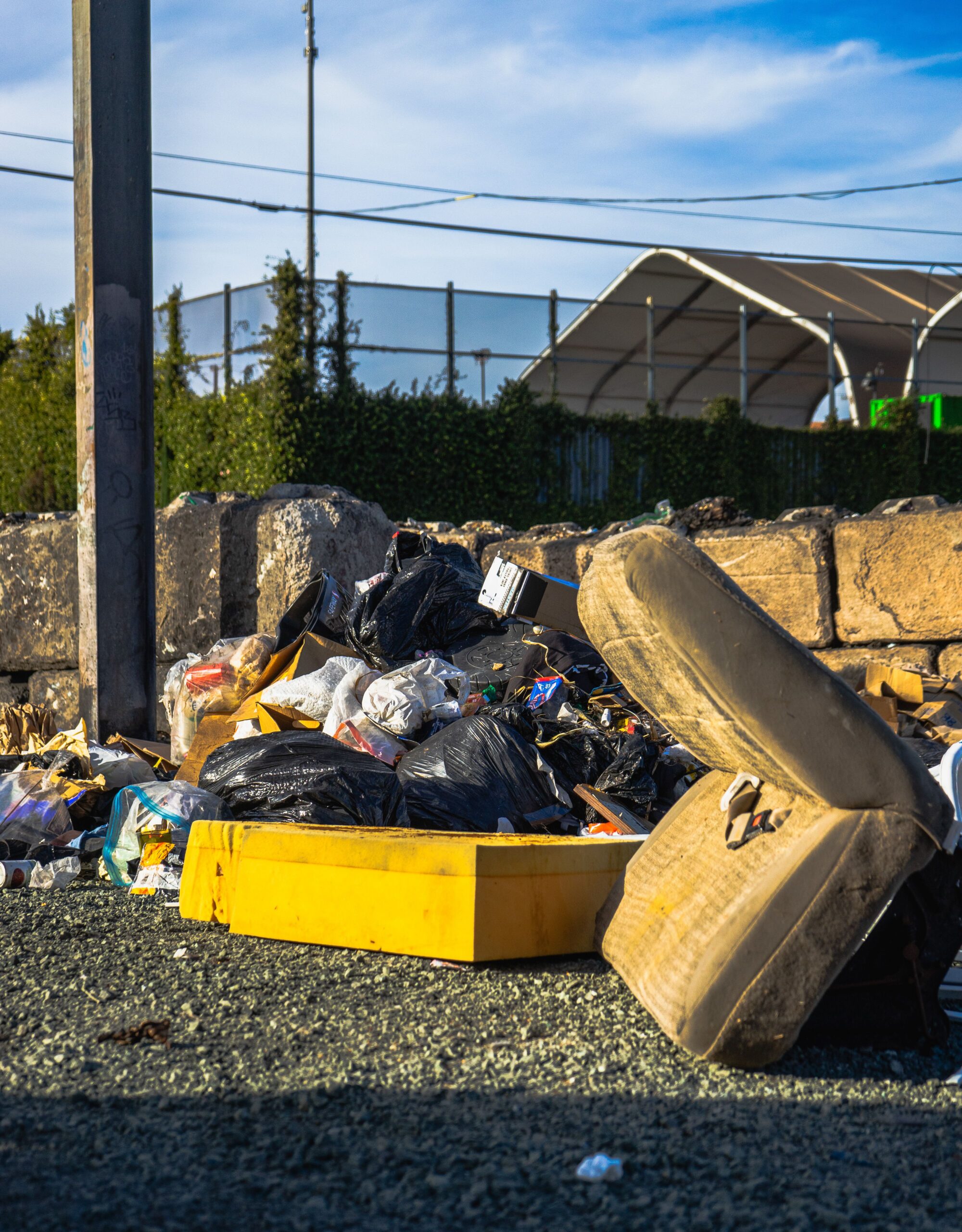

Quick answer: A hoarding cleanout involves the systematic removal of accumulated items from a home affected by hoarding disorder, typically in significantly higher volumes than a standard residential cleanout, often requiring multiple truck loads, multiple crew members, and careful coordination with the homeowner or their family. Junk Removal Now handles hoarding cleanouts throughout Livermore and the East Bay with a no-judgment approach, transparent upfront pricing, and same-week availability for most jobs.
Hoarding cleanouts are among the most complex and emotionally sensitive jobs in the junk removal industry. If you’re searching this topic, you may be a family member trying to help a loved one, an executor managing an estate, a property manager facing a challenging tenant situation, or someone personally ready to take the first step. Whoever you are, this guide is written to be genuinely useful, not to judge, not to lecture, but to explain the process clearly so you know what to expect.
Understanding the Scope of a Hoarding Cleanout
Hoarding disorder exists on a spectrum. The Institute for Challenging Disorganization uses a five-level clutter scale to describe the range of situations:
Level 1: Clutter is noticeable but doesn’t significantly impair normal living functions. Standard junk removal handles this level comfortably.
Level 2: Multiple rooms are cluttered, pathways are narrow, and some areas of the home have limited accessibility. Standard junk removal with a larger crew handles Level 2.
Level 3: Significant accumulation throughout the home, limited use of kitchen and bathrooms, possible odor issues, and structural concerns beginning to emerge. This level requires a specialized, high-volume approach.
Level 4: Major accumulation with structural damage, significant sanitation concerns, and possible pest or mold issues. Professional remediation may be required before or alongside junk removal.
Level 5: Extreme accumulation rendering most of the home inaccessible or uninhabitable, with significant structural, sanitation, and safety issues. Requires a multi-phase professional response.
Understanding which level you’re dealing with matters because it determines the timeline, the crew size, the number of truck loads, and whether additional services (mold remediation, biohazard cleanup, pest control) are needed before junk removal can proceed.
The Hoarding Cleanout Process
A professional hoarding cleanout is not the same as a standard junk removal job, in scope, in approach, or in how decisions get made. Here’s how the process typically works:
Phase 1: Assessment and Planning
Before any work begins, Junk Removal Now conducts a full on-site assessment to understand:
- The scope and volume of the cleanout
- Any safety concerns, structural, biological, or pest-related, that need to be addressed before hauling begins
- The presence of hazardous materials that require separate disposal
- Whether the homeowner or a family representative will be on-site to make keep/discard decisions
- Access and logistics, how items will move from the interior to the truck
The assessment produces a transparent, firm quote for the full scope of work before anything is moved. No estimates that balloon after the first truck is loaded.
Phase 2: Safety Review
For Level 3–5 cleanouts, a safety walkthrough identifies:
- Mold or moisture damage requiring remediation before disturbing materials
- Pest activity, rodents, insects, or other pests that require treatment before a crew can safely work in the space
- Biohazard concerns, animal waste, human waste, or other biological material requiring professional remediation before standard junk removal proceeds
- Structural hazards, floors, walls, or ceilings compromised by the weight or moisture of accumulated materials
- Hazardous household waste, chemicals, paint, solvents, and other materials requiring separate HHW disposal
Any concerns identified in the safety review are addressed before the main cleanout begins, either by specialized contractors or by setting those areas aside for appropriate handling.
Phase 3: The Cleanout
With safety confirmed and the scope agreed upon, the cleanout proceeds systematically, typically working room by room or zone by zone to maintain organization and prevent re-accumulation of debris.
If the homeowner is present and participating: The pace is set by the homeowner’s capacity to make decisions. A compassionate, patient crew allows time for decisions without pressuring or rushing. Items with potential sentimental or financial value are flagged for review before being loaded.
If family members or an executor are managing on the homeowner’s behalf: Clear communication about what is and isn’t to be kept is established before work begins. Any ambiguous items are flagged rather than assumed.
If the property is vacant: Items are removed systematically, with any potentially valuable items (documents, jewelry, collectibles) flagged and set aside before hauling.
Phase 4: Responsible Disposal
Junk Removal Now prioritizes donation and recycling for items recovered from hoarding cleanouts:
- Usable furniture, clothing, kitchenware, and household goods are routed to local charity partners through the ReSupply donation program
- Electronics are routed to certified e-waste recycling facilities
- Recyclable materials, metal, clean cardboard, certain plastics, are separated for recycling
- Remaining materials are disposed of at licensed facilities in compliance with California regulations
Donation from a hoarding cleanout can feel meaningful to both the family and the homeowner — knowing that items are going to people who need them, rather than simply to a landfill, sometimes makes the process easier.
Compassion and Judgment-Free Service
Hoarding is a recognized mental health condition, not a character flaw, not a lifestyle choice, not a reflection of a person’s worth or intelligence. People affected by hoarding disorder often experience profound shame and anxiety about their living situation, and that shame is frequently the single biggest barrier to getting help.
Junk Removal Now approaches every hoarding cleanout with full respect for the individual and the sensitivity the situation requires. The crew does not comment on the condition of the home, does not photograph without explicit permission, and treats the homeowner and their belongings with the same care given to any other job.
If you’re reaching out on behalf of a loved one, know that discretion and compassion are non-negotiable parts of how this work gets done.
What to Do Before Scheduling a Hoarding Cleanout
If you’re a family member organizing a cleanout for a loved one:
- Have an honest conversation about what the cleanout involves and what will happen to their belongings before booking, if at all possible. Surprise cleanouts that a person hasn’t consented to can deepen trauma and harm trust.
- Consider involving a therapist or social worker who specializes in hoarding disorder in the process. The International OCD Foundation maintains a resource directory of hoarding specialists at iocdf.org.
- Set realistic expectations about timeline. A Level 4–5 cleanout may take multiple days across multiple visits.
If you’re a property manager or executor:
- Document the condition of the property thoroughly with photographs before the cleanout begins, this protects you legally and provides a clear before/after record.
- Confirm any legal requirements for disposal of items belonging to the occupant before the cleanout proceeds.
- Identify and set aside any documents, financial records, or items of obvious personal value before hauling begins.
If you’re personally ready to get started:
- You don’t need to prepare anything before calling. The on-site assessment is the starting point, not a judgment, just a look at the space and a conversation about what you want the outcome to be.
- Same-week and same-day availability is offered in most cases throughout Alameda and Contra Costa County.
When Additional Services Are Needed First
Some hoarding situations require specialized services before standard junk removal can safely proceed:
Mold remediation: Significant mold growth in the structure of the home (not just on items being discarded) requires a licensed remediation contractor. Once the structure is clear, junk removal proceeds normally.
Biohazard cleanup: Animal hoarding situations, or homes with sanitation concerns involving human or animal waste, require a licensed biohazard remediation team before a standard crew can safely work in the space.
Pest control: Active rodent or insect infestations should be treated before a cleanout crew works in the space. Once the infestation is addressed, junk removal proceeds.
If your situation involves these additional needs, Junk Removal Now can advise on sequencing and, where possible, refer you to appropriate specialists in the East Bay.
Frequently Asked Questions
How much does a hoarding cleanout cost in Livermore? Hoarding cleanouts are priced based on the volume of material removed — measured in truck loads, and the number of crew members and hours required. Because scope varies significantly, Junk Removal Now provides a firm on-site quote after assessing the property. There are no hidden fees and no estimates that change after work begins.
How many truck loads does a hoarding cleanout take? A Level 2–3 cleanout typically takes 1–3 truck loads. Level 4–5 cleanouts can require significantly more. The on-site assessment gives you an accurate estimate before you commit.
Do I need to sort anything before the crew arrives? No. The crew works with the space as-is. If the homeowner or family wants to be involved in sorting decisions, that’s built into the process, but no preparation is required before the assessment.
Will the crew remove items the homeowner wants to keep? Never. A professional crew works from a clear understanding of what is and isn’t to be hauled. Any item a homeowner identifies as a keep is left in place.
Is the cleanout confidential? Yes. Junk Removal Now does not discuss, share, or photograph client jobs without explicit permission. Discretion is a fundamental part of how this service is provided.
Can the crew handle animal waste or extreme sanitation conditions? Level 1–3 situations with manageable sanitation conditions are handled by a standard crew with appropriate protective equipment. Level 4–5 situations with significant biohazard concerns require licensed remediation before standard junk removal can safely proceed. This is identified at the assessment stage.
How quickly can a hoarding cleanout be scheduled? Most hoarding cleanouts can be scheduled within the same week throughout Alameda and Contra Costa County. Same-day availability exists for standard-scope jobs. Call (925) 400-3800 to discuss your timeline.
Can you help with just one room to start? Yes. Some homeowners prefer to start with a single room or area rather than committing to a full-home cleanout. Junk Removal Now accommodates phased cleanouts — one room at a time, at whatever pace works.
Ready to take the first step? Book a confidential, no-obligation on-site assessment online or call (925) 400-3800. Junk Removal Now serves Livermore, Dublin, Pleasanton, Oakland, Fremont, Hayward, Concord, and all of Alameda and Contra Costa County — with a no-judgment approach, transparent pricing, and same-week availability for most jobs.