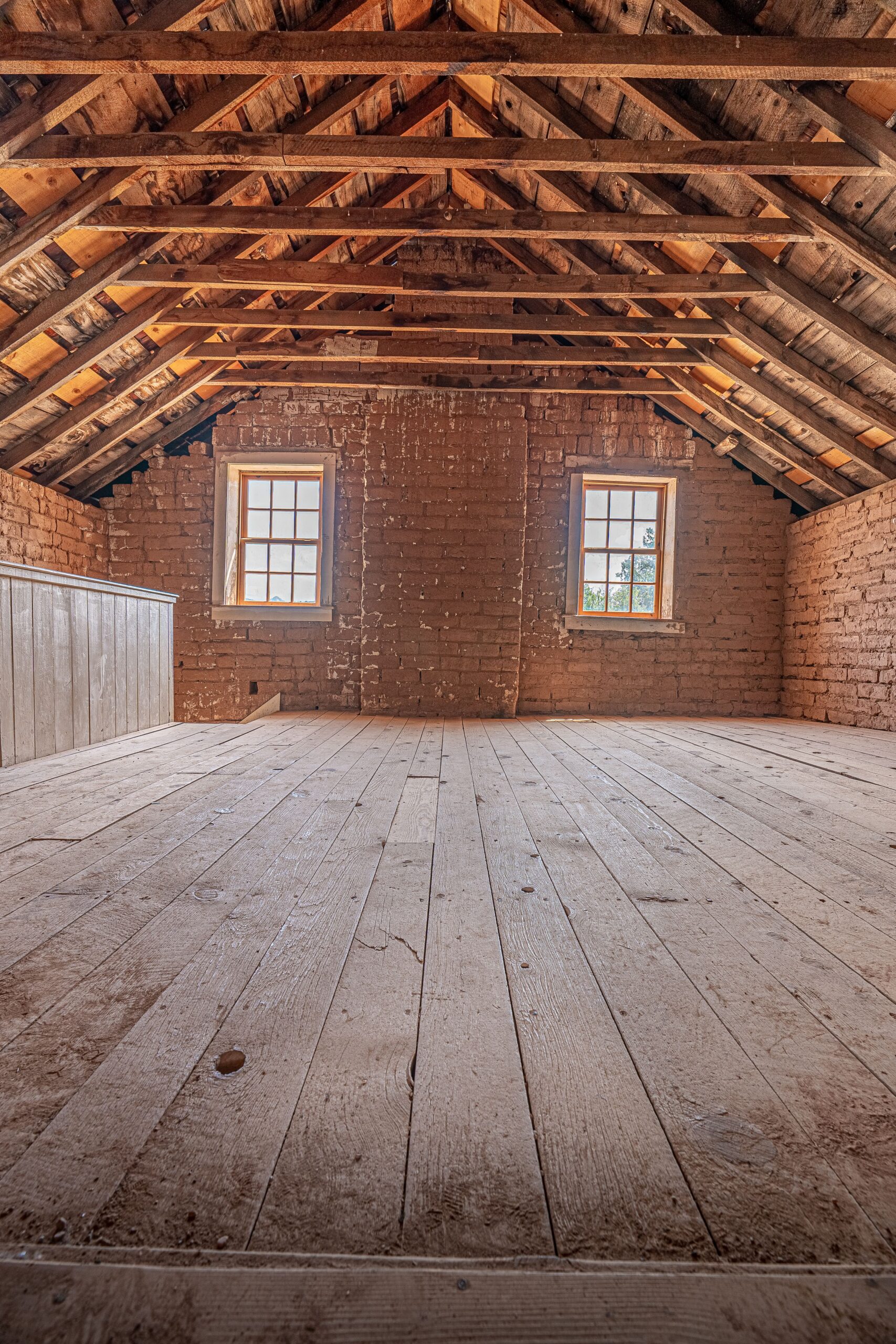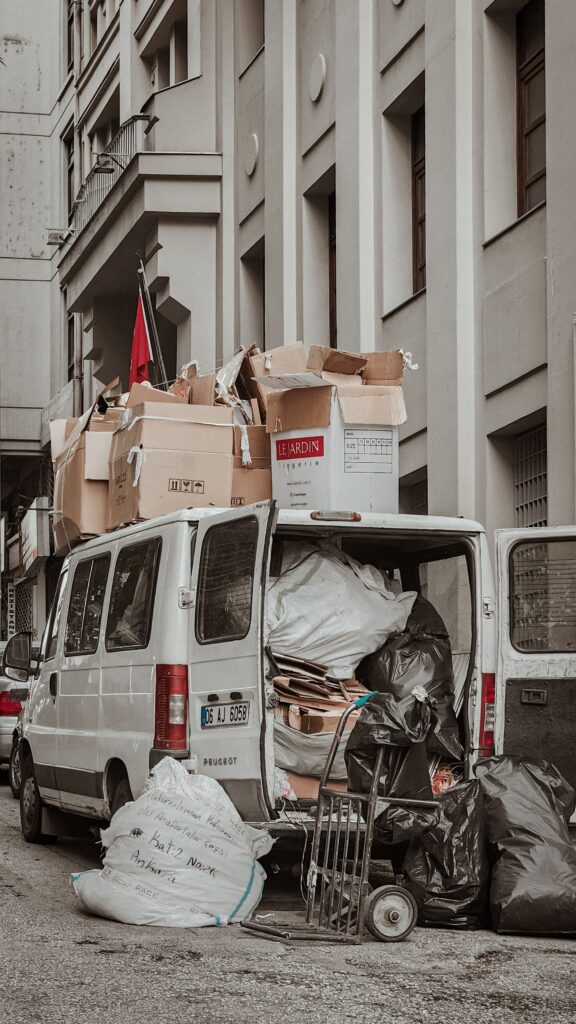

Quick answer: To clean out an attic, conduct a safety check for insulation hazards, pests, and structural concerns before touching anything, then sort items into keep, donate, sell, and toss piles — working from the entry point inward. Schedule junk removal before you start so haul-away is confirmed before sorting is done. In Livermore and the East Bay, Junk Removal Now offers same-day and next-day attic cleanout service, carrying everything down from the attic and hauling it away in a single visit.
Attics are the storage spaces most people think about least, until they need to clean them out. Unlike a garage or basement, an attic presents a specific set of physical challenges: limited headroom, a single access point, extreme temperatures, and materials that haven’t been moved in years, sometimes decades. Done right, an attic cleanout is a manageable project. Done wrong, it can be dangerous. Here’s how to do it right.
Before You Touch Anything: Safety First
An attic is not a forgiving work environment. Before pulling out a single box, do a careful assessment of the space with these specific concerns in mind:
Insulation Type and Condition
This is the most important safety check before an attic cleanout. Different insulation types carry very different risk profiles:
Fiberglass batt insulation (pink or yellow fluffy batts): Common and generally safe to work around, but causes skin and respiratory irritation. Wear long sleeves, gloves, safety glasses, and an N95 mask before entering.
Blown-in fiberglass or cellulose insulation (loose fill): Fine particulates become airborne easily when disturbed. N95 mask is minimum; a P100 respirator is preferable. Work slowly to minimize disturbance.
Vermiculite insulation (small grey-brown pebbles, often found in homes built before 1990): Stop and do not disturb. A significant percentage of vermiculite insulation in the United States was contaminated with asbestos from the Libby, Montana mine. If you have vermiculite insulation, have it tested by a certified asbestos inspector before proceeding. The EPA recommends treating all vermiculite insulation as potentially asbestos-containing.
Spray foam insulation: Generally inert once cured. No specific respiratory concern.
Older loose insulation in pre-1980 homes: May contain asbestos fibers. If the home was built before 1980 and you’re unsure of the insulation type, have it tested before proceeding.
Pest Activity
Attics are prime habitat for rodents, birds, bats, and insects. Before handling stored items, look for:
- Rodent droppings, nesting material, and chewed boxes, hantavirus risk from disturbing rodent waste; wear an N95 mask and avoid touching droppings barehanded
- Bird or bat nesting — bats are a rabies concern; do not handle
- Wasp and hornet nests — check corners and eaves before working near them
If you find evidence of active infestation, address it with a pest control company before the cleanout.
Structural Integrity
Walk carefully and only on joists, never on the insulation or drywall between joists, which will not support your weight. In older homes, joists may be spaced 24 inches apart and some may show signs of rot or damage. Test before trusting.
Check for any water damage around roof penetrations (vents, chimney flashing, skylights) — wet or darkened wood around these areas indicates ongoing or past leaks that should be addressed before adding foot traffic above.
Heat
Livermore summer attic temperatures routinely exceed 130–150°F during peak afternoon hours. Schedule attic work for early morning when temperatures are lowest, and limit time in the space. Hydrate before going up and take breaks frequently.
Step 1: Gather Your Equipment Before Going Up
Unlike a garage where you can walk out and grab something you forgot, leaving and returning to an attic through a hatch is a real friction cost. Bring everything you need before you go up:
- N95 mask or P100 respirator (required regardless of insulation type)
- Safety glasses or goggles
- Long-sleeved shirt and gloves
- Headlamp (both hands need to be free)
- Work lights or portable LED panels, attics are dark and a headlamp alone isn’t enough for full assessment
- Cardboard or plywood boards to lay across joists as a temporary work platform
- Trash bags and labels for sorting
- Permanent marker for labeling
- Water bottle
Step 2: Assess Before Sorting
Before moving anything, walk the full attic (carefully, on joists) with your work light and create a mental map of what’s there. Specifically note:
- How much volume is there — does this look like one junk removal load, two, or more?
- Are there any items of potentially significant value (artwork, furniture, boxes that appear to contain collectibles or valuables)?
- Are there hazardous materials (old paint, chemicals, car batteries, propane canisters)?
- What’s the largest item up there — does anything need to come down in pieces?
- What’s the condition of the access hatch — can a full-size box fit through it, or does everything need to be broken down?
This 10-minute assessment shapes everything that follows.
Step 3: Sort Into Four Piles — With an Attic-Specific Mindset
The four-pile system (keep, donate, sell, toss) applies, but attic sorting has its own psychology:
The attic trap: Items in attics exist there because someone, at some point, decided they were worth keeping but not worth having accessible. Re-examine each item through the lens of whether that judgment still holds. Most of the time, it doesn’t.
The time filter: If an item went into the attic more than three years ago and hasn’t been retrieved since, ask seriously whether it’s worth continuing to store. The most honest answer for most attic items is no.
Holiday and seasonal items: The legitimate occupants of most attics. Keep what you actually use each year; toss or donate decorations and equipment from holidays or seasons you no longer celebrate or participate in.
Sentimental items: Acknowledge them, take a photo if the memory matters, and be honest about whether physical possession of the object serves a real purpose. Not every item needs to be kept to honor its history.
Children’s items from past stages: Boxes of toys, clothing, and school projects from children who are now adults are among the most common attic inhabitants. If the children themselves don’t want the items, they don’t need to be kept.
Step 4: Pass Items Down Efficiently
The attic access point is the bottleneck of every attic cleanout. Work with one person in the attic passing items down to one or two people below who sort and stage — rather than one person making repeated trips up and down.
For boxes: consolidate loose items into labeled boxes before passing down.
For large items: assess at the hatch whether an item fits through intact. If not, determine before bringing it to the hatch whether it needs to be disassembled or broken down first.
For heavy items: don’t attempt to carry heavy items down an attic ladder alone. Wait for help or use a rope system to lower them safely.
Step 5: Handle Hazardous Materials Separately
Attics commonly contain hazardous household waste that accumulated before going into storage:
- Old paint cans, stains, and varnishes
- Car batteries (a common attic find in older homes)
- Pesticides and chemicals
- Propane canisters
- Fluorescent bulbs and older electronics
Set these aside for separate HHW disposal at an Alameda or Contra Costa County facility. They cannot go in a junk removal load.
Step 6: Schedule Junk Removal for the Toss Pile
Here’s the critical execution step: the items that came down from the attic and went into the toss pile need to leave the house, not migrate to the garage or a spare bedroom.
Junk Removal Now hauls attic cleanout items from wherever they’ve been staged after coming down — living room, garage, driveway — with no curbside requirement. For large attic cleanouts where volume is significant, same-day and next-day scheduling ensures the haul-away happens before the toss pile finds a permanent new home in a ground-floor space.
What Junk Removal Now Hauls From Attic Cleanouts
- Furniture stored in the attic
- Boxes of miscellaneous household items (no unpacking required)
- Holiday decorations and seasonal equipment
- Old clothing, linens, and textiles
- Electronics and old TVs (routed to e-waste recycling)
- Children’s toys and equipment
- Old luggage and travel gear
- Scrap materials and construction remnants
- Anything else that came down from the attic and is going
Frequently Asked Questions
Is vermiculite insulation in my attic dangerous? Potentially yes. A significant percentage of vermiculite insulation used in the U.S. was contaminated with asbestos. The EPA recommends treating all vermiculite insulation as potentially asbestos-containing and not disturbing it. Have it tested by a certified asbestos inspector before proceeding with any attic work.
What temperature is too hot to work in an attic? Once attic temperatures exceed 100°F, the risk of heat exhaustion rises rapidly. Schedule attic work for early morning in warm months and limit sessions to 20–30 minutes with breaks. In Livermore summers, this means starting before 8 AM.
Do I need to bring items to the curb for junk removal pickup? No, Junk Removal Now hauls from wherever items are staged after coming down from the attic. Items on the ground floor, in the garage, or on the driveway are all fine.
Can the junk removal crew go into the attic to help remove items? For standard attic cleanouts with safe access and conditions, this can be discussed at booking. For safety reasons, attic conditions (insulation type, structural integrity, access size) should be described in detail when scheduling.
How much does an attic cleanout cost? Pricing is based on the volume your items occupy in the truck after coming down from the attic. Junk Removal Now provides a firm, upfront quote before any work begins and will beat any written estimate from a licensed, bonded, and insured competitor.
What if I find something potentially valuable in the attic? Set it aside before it reaches the toss pile. Old artwork, jewelry, documents, and certain collectibles found in attics can have significant value. Have uncertain items assessed by an appraiser or estate sale professional before disposal.
How long does an attic cleanout take? The attic access bottleneck means passing items down takes longer per item than in an open space. A moderately full attic typically takes 2–4 hours to fully clear and sort. The junk removal portion — loading and hauling once items are on the ground — usually takes under an hour.
Ready to finally clear that attic? Book your free cleanout quote online or call (925) 400-3800. Junk Removal Now serves Livermore, Dublin, Pleasanton, Oakland, Fremont, Concord, and all of Alameda and Contra Costa County — with same-day and next-day availability and a price-match guarantee on every job.