
Quick answer: To dispose of an old water heater in Livermore and the East Bay, have it disconnected and drained by a licensed plumber or your installer, then arrange haul-away through your installer, a scrap metal recycler, or a junk removal company. Junk Removal Now hauls disconnected water heaters from garages, closets, and utility rooms throughout Alameda and Contra Costa County, and the steel tank is recycled as scrap metal.
A water heater is one of the heaviest and most awkward items in a home, and it’s usually located in a tight spot like a garage corner or utility closet. When it’s time for a replacement, the old unit needs to go somewhere. Here’s how to handle it safely.
Why Water Heaters Are Tricky to Remove
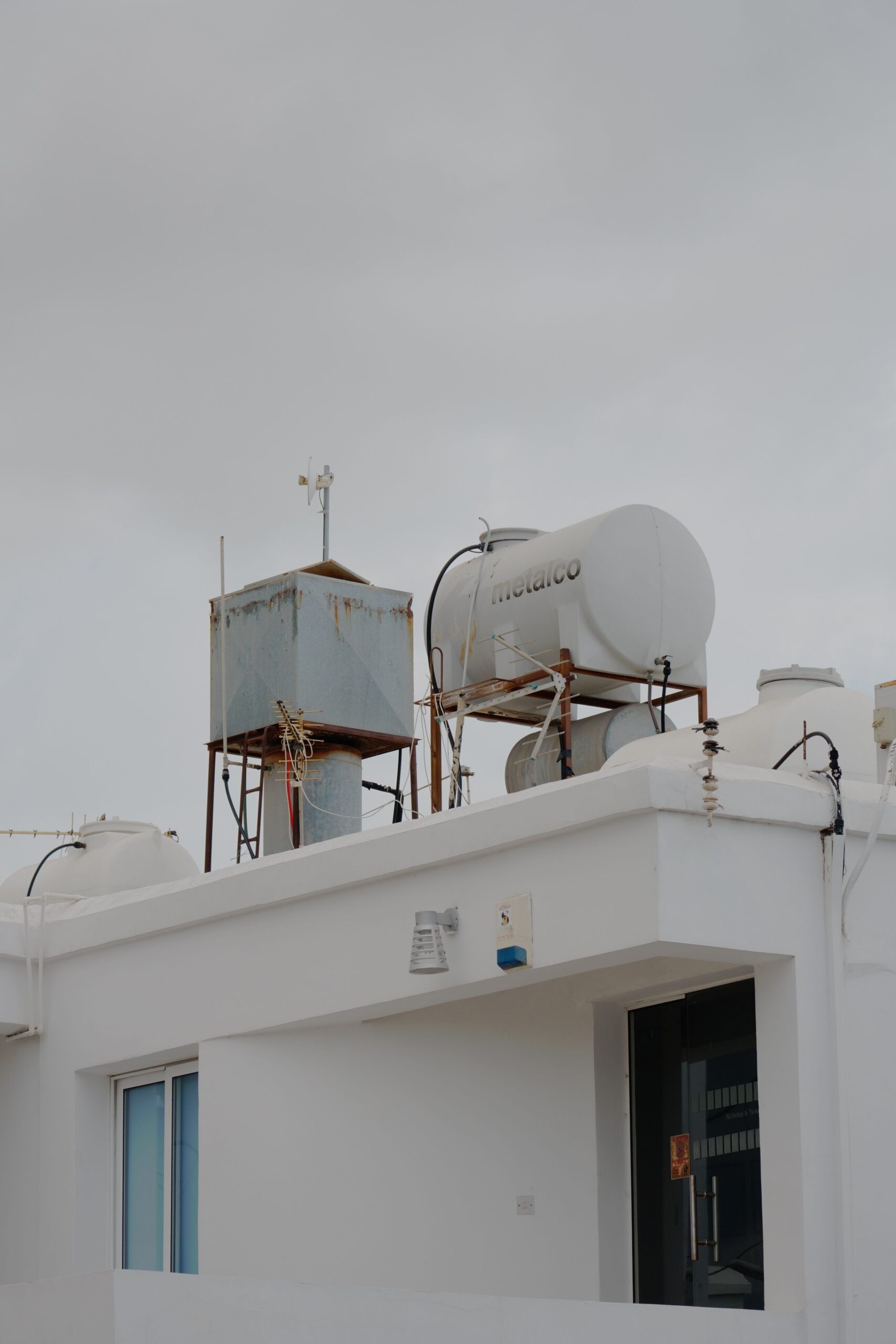
Weight. A standard 40 to 50 gallon tank water heater can weigh well over 100 pounds empty, and it’s far heavier if it still holds water.
Residual water. Even a unit that’s been shut off can hold a lot of water and sediment. Draining it is a required step before moving.
Tight locations. Water heaters are often in closets, crawl spaces, garages, or utility rooms with limited clearance.
Gas, electric, and plumbing connections. These must be properly disconnected before the unit can be moved.
Safety. Hot water, gas lines, and electrical connections all create real risk if the work isn’t done correctly.
Step 1: Have It Disconnected Safely
Gas water heaters require the gas supply to be shut off and the line properly capped by a licensed plumber or gas technician. Do not disconnect gas lines yourself.
Electric water heaters require power to be shut off at the breaker before any work begins, and wiring should be disconnected by someone qualified.
Water connections need to be shut off at the supply valve, and the unit drained before removal.
Most people have the installer handle disconnection as part of a replacement. If you’re removing a unit without replacing it, hire a licensed plumber for the disconnection.
Step 2: Drain the Tank
A tank must be drained before it’s moved.
- Shut off the water supply to the heater
- Turn off the power or gas
- Attach a garden hose to the drain valve at the bottom of the tank
- Direct the hose to a suitable drainage area, avoiding storm drains
- Open a hot water tap in the house to let air in, which helps the tank drain
- Let it drain completely, which can take a while
Be careful: water in a recently used tank can be extremely hot. Let the unit cool before draining.
Step 3: Choose How to Dispose of It
Option 1: Have the Installer Haul It Away
Many plumbers and installers will remove the old unit when installing the new one, sometimes for a fee. This is the simplest option if you’re already hiring someone for the replacement. Confirm in advance that haul-away is included.
Option 2: Scrap Metal Recycler
Water heater tanks are mostly steel and have scrap value. If you have a truck and can safely move the unit, a scrap metal recycler may take it. Call ahead to confirm they accept water heaters and what condition they require.
Option 3: Bulky Item Pickup
Some city programs accept water heaters through scheduled bulky pickup, but rules vary and many require the unit to be at the curb. Check with your hauler.
Option 4: Junk Removal
For anyone who doesn’t want to haul a heavy tank themselves, junk removal is the practical route. Junk Removal Now’s crew carries the unit from its location, loads it, and takes it for scrap metal recycling.
What Junk Removal Now Does and Doesn’t Do
What the crew does:
- Hauls disconnected, drained water heaters from garages, closets, basements, and utility rooms
- Handles the carrying, including stairs and tight spaces
- Routes the steel to scrap metal recycling
What the crew doesn’t do:
- Disconnect gas, electrical, or plumbing connections
- Drain the tank unless arranged ahead of time
If you aren’t sure whether your unit has been properly disconnected, mention it when booking so the crew knows what to expect. For safety, units should be disconnected by a qualified professional before removal.
Water Heater Removal Checklist
- [ ] Gas, electric, and water properly shut off and disconnected
- [ ] Tank fully drained
- [ ] Clear a path from the unit to the exit
- [ ] Note any stairs, tight corners, or low ceilings
- [ ] Mention if the unit is tankless, which is lighter and different to remove
- [ ] Book haul-away for the same day as the replacement if possible
Types of Water Heaters
Tank water heaters are the most common. They’re heavy and require draining and disconnection before removal.
Tankless water heaters are lighter and mounted on a wall. They still need professional disconnection, especially if they use gas.
Heat pump water heaters are larger and heavier than standard units and contain refrigerant systems. Mention this when booking so the crew can plan.
Solar water heaters involve rooftop collectors and are typically handled by specialized contractors.
Frequently Asked Questions
Can you remove a water heater that’s still connected? No. The unit should be properly disconnected by a licensed professional first. Junk Removal Now hauls the unit once it’s safely disconnected.
Does the water heater need to be drained first? Yes. A full tank is extremely heavy and unsafe to move. Drain it before the crew arrives.
What happens to the old water heater? The steel tank is recycled as scrap metal where possible, and remaining components are disposed of at licensed facilities.
Can I put a water heater in the trash or regular bulky pickup? Rules vary by city. Check with your hauler before assuming it will be accepted.
How much does water heater removal cost? A single water heater is priced as a single-item pickup, or by volume if combined with other items. Junk Removal Now provides a firm, upfront quote before any work begins and will beat any written estimate from a licensed, bonded, and insured competitor.
Can you pick it up the same day I replace it? Often yes. Coordinate with your installer’s schedule and call early for same-day or next-day availability.
Replacing a water heater? Book your free quote online or call (925) 400-3800. Junk Removal Now hauls water heaters and other bulky items throughout Livermore, Dublin, Pleasanton, Oakland, Fremont, Concord, and all of Alameda and Contra Costa County, with same-day and next-day availability and a price-match guarantee on every job.