
Quick answer: Defensible space is the buffer you create around your home by removing dead vegetation, dry brush, and flammable clutter so a fire has less fuel to reach your structure. After you clear it, the debris has to go somewhere, and piling it near your house defeats the purpose. In Livermore and the East Bay, Junk Removal Now hauls brush, branches, dead plants, old fencing, and yard clutter from your property, with green waste routed to composting where possible.
East Bay hillsides and rural edges face real wildfire risk, and property owners in many areas are expected to maintain clear zones around their homes. Even if you’re not in a mapped high-risk zone, clearing dry fuel and clutter is a sensible habit. The cleanup is rarely the hard part. Getting rid of what you’ve cleared is.
What Defensible Space Means
Fire agencies describe defensible space in zones extending outward from your home:
- Immediately around the structure: The closest area should be kept free of combustible materials and dry vegetation.
- Intermediate zone: Vegetation is trimmed, spaced, and maintained so fire can’t easily travel across it.
- Outer zone: Dead and dying vegetation is removed, and trees are maintained to reduce fuel.
Requirements vary by property, location, and applicable state and local rules. Check with your local fire department or fire protection district for the specific requirements and inspection standards that apply to your property. This post is general information, not a substitute for guidance from your local fire authority.
What to Clear
Dead and dying vegetation. Dry grass, dead shrubs, dead branches, and dying plants burn easily.
Dry leaves and pine needles. Debris on roofs, in gutters, on decks, and under decks is a common ember trap.
Low-hanging branches. Branches near the ground or close to the house can carry fire upward.
Accumulated brush piles. Piles of cuttings, trimmings, and woody debris are concentrated fuel.
Firewood stacks near the house. Store firewood away from structures.
Flammable clutter. Old furniture, cardboard, lumber scraps, and storage piles near the house, under decks, or along fences add fuel.
Old fencing and wood structures in poor condition. Dry, decaying wood burns readily.
Weeds and overgrowth. Tall dry weeds in the cleared zones are a fire hazard once they dry out.
Why Disposal Is the Step People Skip
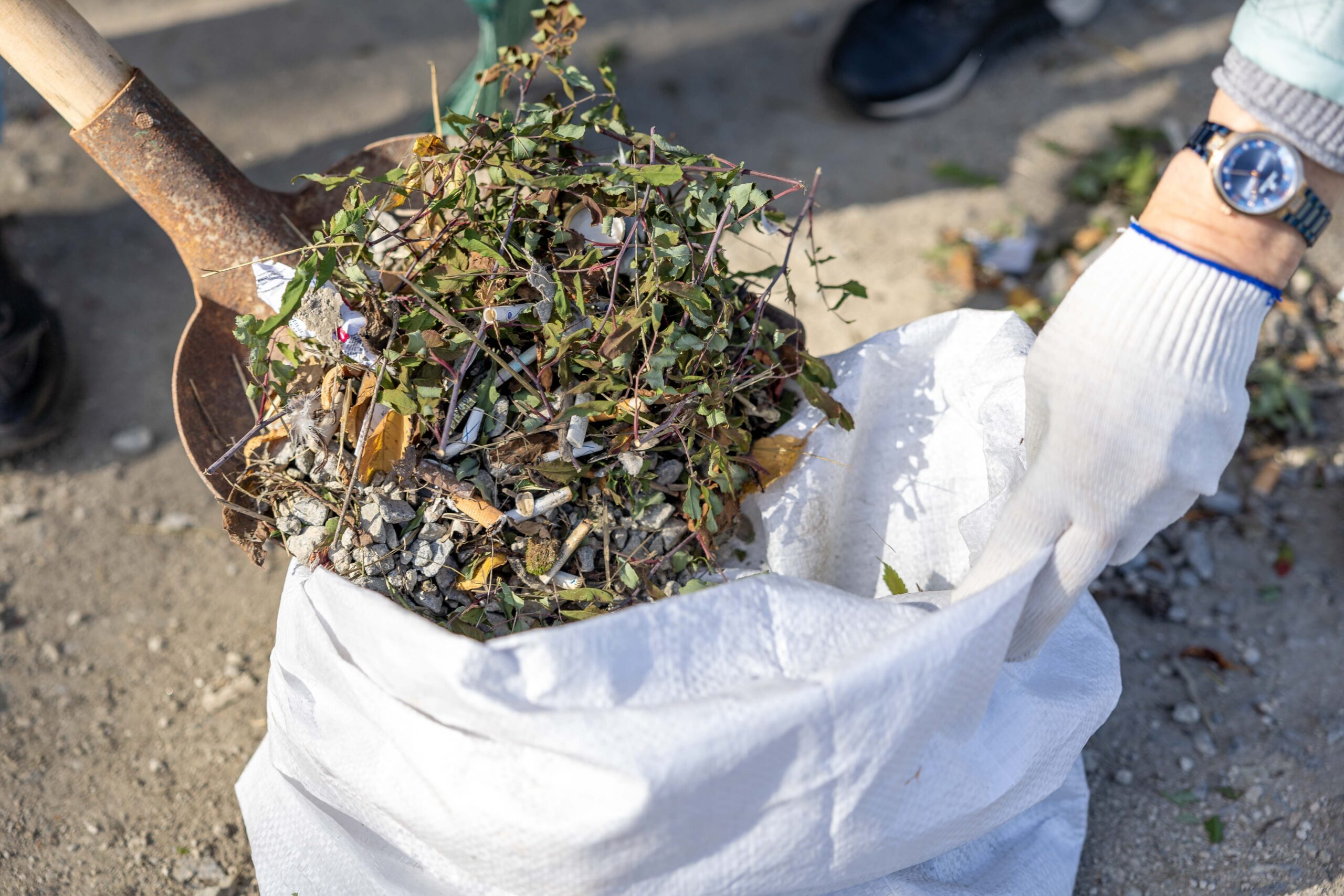
Clearing vegetation often produces a lot of debris quickly. If it sits in a pile next to your house, you’ve moved the fuel but not removed it.
Common mistakes:
- Piling cuttings against fences, sheds, or the house
- Leaving bags of leaves and brush under decks
- Waiting weeks for curbside green waste pickup
- Burning debris without checking local rules and burn restrictions
Local rules about burning, fire safety, and yard debris vary, and open burning is restricted in many areas, especially during fire season. Check with your local fire department and the Bay Area Air Quality Management District before burning anything.
Disposal Options
Green Waste Cart
Weekly green waste pickup handles routine yard trimmings, but volume is limited to what fits in your cart.
Self-Haul to a Composting Facility
Alameda and Contra Costa County facilities accept green waste. You’ll need a truck or trailer and likely multiple trips for large volumes.
Professional Haul-Away
For larger cleanups, junk removal gets debris off your property in a single visit. Junk Removal Now loads and hauls brush, branches, dead plants, and mixed yard debris, and routes green waste to composting facilities where practical.
See our yard waste removal guide for more on options and what counts as green waste vs. mixed debris.
What Junk Removal Now Hauls
- Brush, branches, and tree trimmings
- Dead plants and overgrown vegetation
- Leaf and needle debris
- Old fencing, lumber, and deck debris
- Flammable clutter such as old furniture, boxes, and storage piles
- Sheds, outbuildings, and other structures, as covered in our shed removal guide
- Post-tree-service debris
The crew loads from wherever debris is stacked, so you don’t need to bag or stage it at the curb.
What Can’t Go in a Load
- Hazardous materials, including gas cans, pesticides, paint, and chemicals. Take these to county hazardous waste facilities.
- Propane tanks. These need separate handling.
- Anything contaminated with fuel or chemicals.
If you find old fuel cans, solvents, or similar items while clearing, set them aside rather than adding them to the debris pile.
Tips for Safer, Faster Cleanup
Work early in the day. Heat and dry conditions increase fire risk when using power tools. Check local rules on equipment use during high fire danger days.
Use caution with equipment. Sparks from mowers, trimmers, and chainsaws can start fires in dry vegetation.
Don’t stockpile. Remove debris soon after cutting it.
Keep a water source and tools nearby. A hose, shovel, and fire extinguisher are basic precautions.
Do it before the peak of fire season. Clearing earlier in the season gives you more time and reduces risk when conditions are driest.
Document your work. Photos of cleared areas can be helpful if you need to demonstrate compliance with local requirements or discuss insurance.
Frequently Asked Questions
Is Junk Removal Now a fire safety contractor? No. Junk Removal Now hauls the debris you clear. For brush clearing, tree work, or defensible space inspections, work with your local fire authority and a qualified landscaping or vegetation management contractor.
Can you haul debris after a tree service finishes? Yes. Post-tree-service cleanup is one of the most common yard debris jobs. Book same-day or next-day pickup after the crew finishes.
Do I need to bag brush and leaves? No. The crew loads loose piles directly.
How much does yard debris removal cost? Pricing is based on the volume your debris fills in the truck. Junk Removal Now provides a firm, upfront on-site quote before any work begins and will beat any written estimate from a licensed, bonded, and insured competitor.
Can you clear a large property? Yes, within reason. Larger properties may need multiple loads. Describe the scale when booking so the crew arrives with the right truck and crew size.
Where do I find my defensible space requirements? Contact your local fire department or fire protection district, and check state and county fire agency resources for current guidance.
Ready to get the debris gone? Book your free quote online or call (925) 400-3800. Junk Removal Now serves Livermore, Dublin, Pleasanton, Oakland, Fremont, Concord, and all of Alameda and Contra Costa County, with same-day and next-day availability and a price-match guarantee on every job.