
Quick answer: Construction debris removal in Livermore and the East Bay involves hauling away materials like drywall, lumber, flooring, tile, concrete, roofing, and general renovation waste. Your options are renting a dumpster, taking debris to a county transfer station yourself, or hiring a junk removal company for same-day haul-away. For small-to-mid-size renovation cleanups, Junk Removal Now offers the fastest turnaround — loading and hauling everything in a single visit, with no dumpster sitting on your driveway for weeks.
Whether you’re a homeowner finishing a bathroom remodel, a contractor wrapping up a kitchen renovation, or a property manager clearing a gutted unit, construction debris creates a disposal problem that standard trash service won’t solve. Here’s exactly how to handle it in the East Bay.
What Counts as Construction Debris?
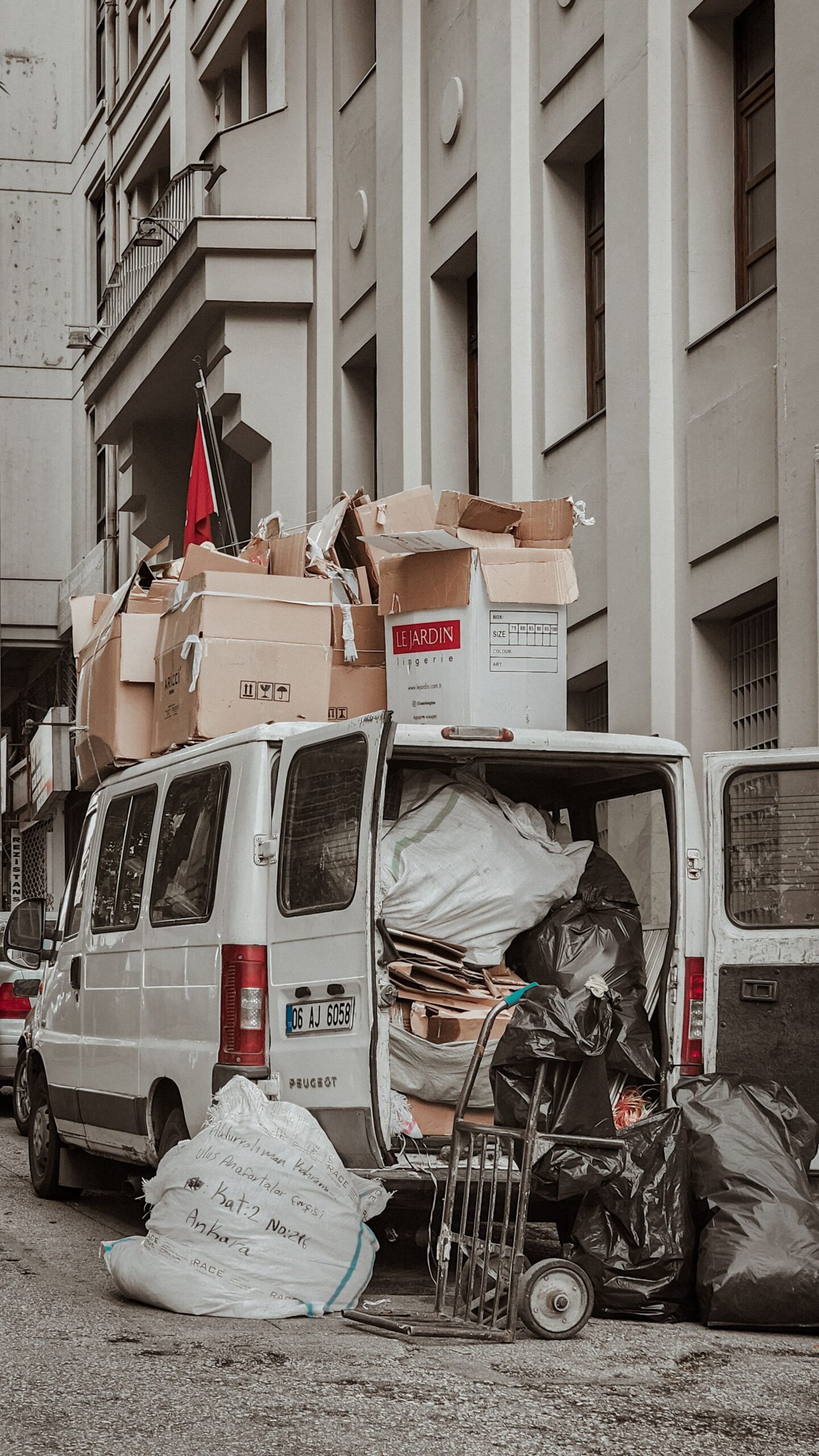
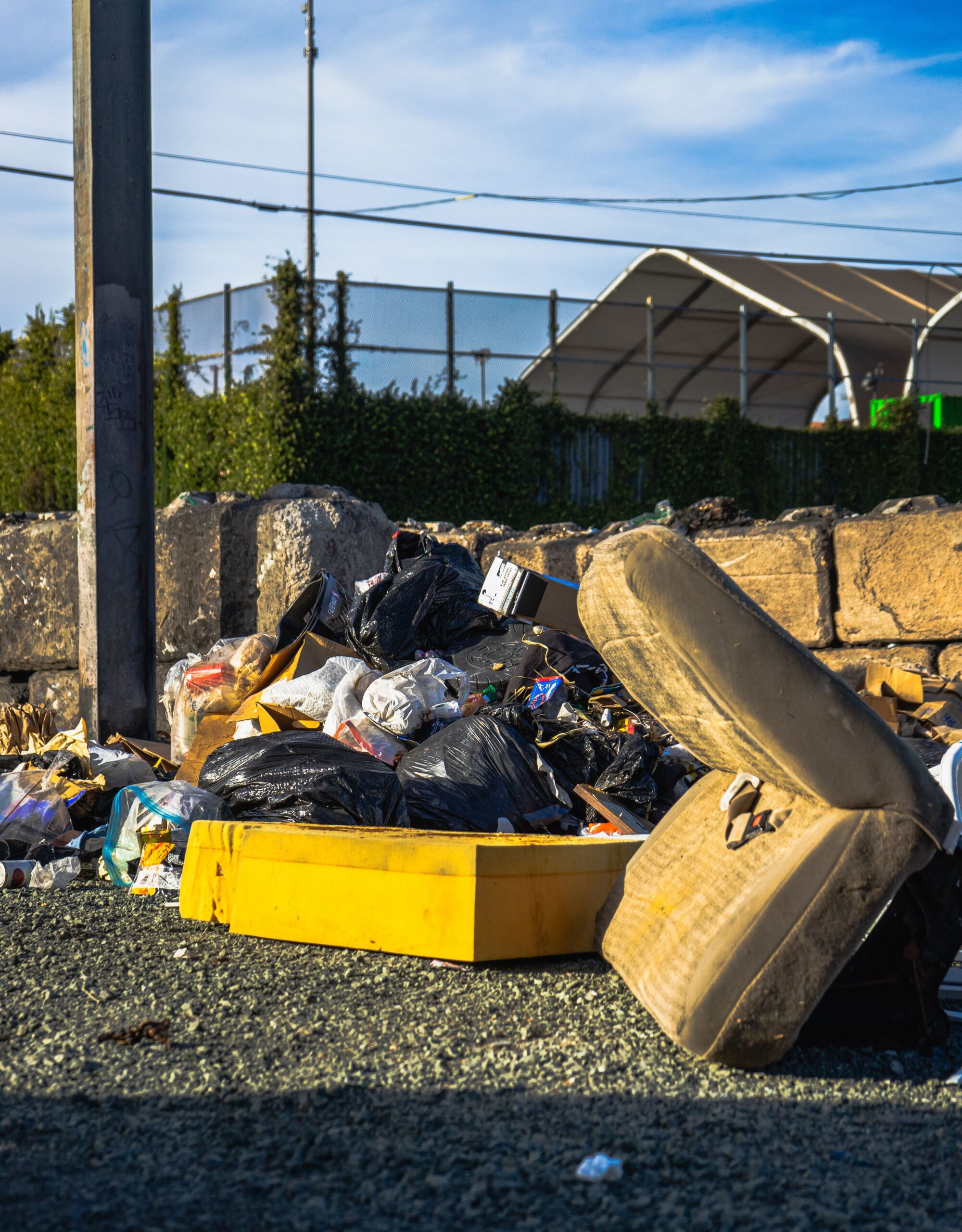
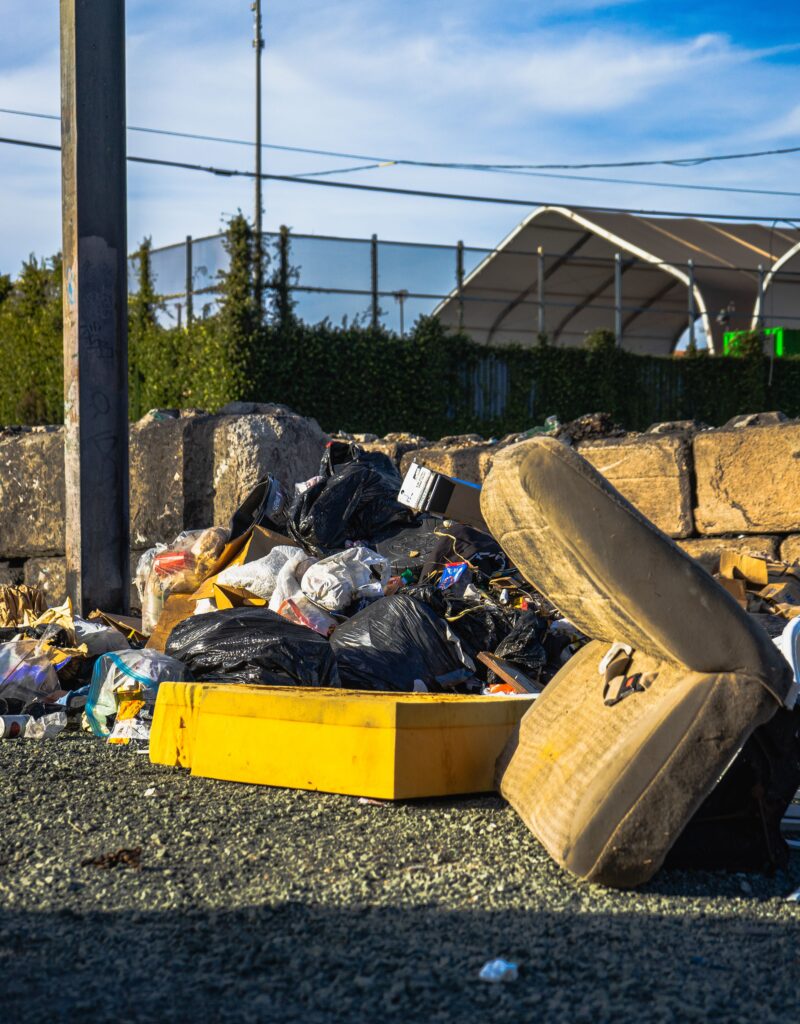
Construction debris, also called C&D waste (construction and demolition waste), includes any material generated during building, renovation, or demolition. Common categories include:
Light debris (low weight, high volume):
- Drywall and plaster pieces
- Lumber, trim, and wood scraps
- Cardboard and packaging from materials
- Insulation (non-asbestos)
- Carpet and padding
- Vinyl flooring and linoleum
Heavy debris (high weight, lower volume):
- Concrete, cement, and cinder blocks
- Brick and masonry
- Ceramic and porcelain tile
- Stone countertops and slabs
- Roofing shingles and materials
- Dirt and fill
Mixed renovation debris:
- Cabinets and built-ins (during kitchen/bath remodels)
- Old fixtures – toilets, sinks, bathtubs, vanities
- Doors, windows, and frames
- Electrical components and plumbing fixtures
- Metal scraps and hardware
Understanding which category your debris falls into matters because pricing for junk removal is based on both volume and weight, and heavy materials like concrete and tile are priced differently from light bulky materials like drywall and lumber.
Your Options for Construction Debris Disposal
Option 1: Junk Removal Service (Best for Most Renovation Cleanups)
A professional junk removal company loads and hauls construction debris from your job site in a single visit — no dumpster rental clock running, no debris sitting on the driveway between visits, no trips to the transfer station.
Best for:
- End-of-project cleanup after a renovation
- Homeowners who don’t want a dumpster on the property for weeks
- Contractors who need a site cleared quickly for the next phase
- Mixed loads of both construction debris and old fixtures or furniture
Junk Removal Now handles construction debris throughout Livermore, Dublin, Pleasanton, Oakland, Fremont, Concord, Antioch, Hayward, and the rest of Alameda and Contra Costa County — with same-day and next-day availability.
Option 2: Dumpster Rental (Best for Long Ongoing Projects)
A roll-off dumpster delivered to your site makes sense when debris accumulates over multiple weeks — such as during a full kitchen gut, whole-home renovation, or roofing project.
Best for: Extended renovation projects generating debris continuously over days or weeks.
Limitations: Rental fees, potential permit requirements for street placement, overage charges if you exceed weight limits, and all the loading labor falls on you or your crew.
For a comparison of junk removal vs. dumpster rental, see our full breakdown here.
Option 3: Self-Haul to a Transfer Station
Alameda and Contra Costa County both operate transfer stations and recycling facilities that accept construction and demolition waste. Residents and contractors can drop off debris for a per-ton fee.
Best for: Contractors or homeowners with a truck or trailer who want to handle disposal themselves.
Limitations: Requires multiple trips for large volumes, per-ton fees apply, hours are limited, and you do all the loading yourself. For most homeowners, this is more work than it saves.
What Construction Debris Can and Can’t Be Hauled
Accepted for Standard Debris Removal:
- Drywall and plaster (non-lead paint)
- Clean lumber and wood scraps
- Carpet, padding, and vinyl flooring
- Ceramic and porcelain tile
- Concrete and masonry (weight-based pricing applies)
- Roofing shingles (asphalt, not asbestos, see below)
- Cabinets, fixtures, doors, and windows
- Insulation (fiberglass or foam, non-asbestos)
- Metal scraps, pipes, and hardware
- Mixed renovation debris
Requires Special Handling:
- Asbestos-containing materials — homes built before 1980 may have asbestos in insulation, floor tiles, roofing, or texture coatings. Asbestos must be tested and removed by a licensed abatement contractor before any standard debris removal can proceed. The Bay Area Air Quality Management District (BAAQMD) regulates asbestos removal in the East Bay.
- Lead paint — surfaces with lead-based paint require specific handling during demolition. Consult a licensed contractor before removing painted materials from pre-1978 homes.
- Treated or pressure-treated lumber — some older treated lumber contains arsenic-based preservatives and must be disposed of as hazardous waste rather than standard C&D debris.
How Heavy Debris Is Priced Differently
Standard junk removal pricing is based primarily on volume, how much space items take up in the truck. Construction debris pricing, particularly for heavy materials, also factors in weight, because concrete, tile, and masonry weigh significantly more per cubic foot than furniture or drywall.
For heavy debris loads, Junk Removal Now will assess the material during the on-site quote to give you an accurate price that accounts for both volume and weight. There are no surprise charges after the truck is loaded, the quote you get before work starts is the price you pay.
Tips for Faster, Cheaper Construction Debris Removal
1. Separate heavy from light debris Keeping concrete and tile separate from drywall and lumber allows for more efficient loading and may reduce disposal costs, since heavy and light materials often go to different facilities.
2. Break down large pieces Sheets of drywall and long lumber cut into manageable sections take up less truck space and load more efficiently.
3. Clear pathways before the crew arrives The faster the crew can access and load the debris, the faster the job gets done. Clear any tools, materials, or equipment blocking the debris area.
4. Book the haul-away before the project ends Scheduling removal while the project is still in progress, rather than after, means you can get a same-day or next-day slot when you need it, rather than waiting when the debris is in the way.
5. Ask about recycling Junk Removal Now separates recyclable materials, including clean wood, metal, and concrete, from general landfill waste, reducing the environmental footprint of your project and sometimes reducing disposal costs.
Who Uses Construction Debris Removal?
Homeowners completing a DIY or contractor-led renovation who need the job site cleared at the end of the project without renting equipment or making multiple dump runs.
General contractors and subcontractors who need fast site turnover between project phases, or who want a reliable haul-away partner for end-of-project cleanup without maintaining their own debris disposal logistics.
Property managers and landlords clearing gutted or damaged units between tenants, particularly after significant renovation or damage repair.
Real estate investors clearing distressed properties, flip projects, or homes requiring significant cleanup before listing or occupancy.
Frequently Asked Questions
Will junk removal take concrete and tile? Yes, but heavy materials like concrete, brick, and tile are priced based on weight in addition to volume. Provide details when booking so the crew brings the right equipment and the quote is accurate.
Do I need a permit for construction debris removal in Livermore? No permit is required for a junk removal truck to pick up and haul debris from your property. Permits may be required for dumpsters placed on a public street, but not for a service vehicle loading from your driveway or job site.
Can you haul debris from inside a home or unit under renovation? Yes. The crew handles all loading from wherever the debris is — inside rooms, in a garage staging area, or from a backyard pile.
How quickly can debris be removed after a renovation? Same-day and next-day service is available throughout Alameda and Contra Costa County. Call (925) 400-3800 or book online to check same-day availability.
What if I’m not sure whether my debris contains asbestos? If your home was built before 1980, have suspect materials tested by a certified inspector before scheduling debris removal. This applies particularly to popcorn ceilings, floor tiles, pipe insulation, and roofing materials.
Can you remove old cabinets and fixtures during a kitchen remodel? Yes — cabinets, countertops, fixtures, and appliances removed during a remodel are all standard haul-away items. Many removal jobs are scheduled mid-project, before the new materials arrive.
Does Junk Removal Now work with contractors directly? Yes. Junk Removal Now works with contractors, property managers, and real estate investors for ongoing debris removal needs. Call (925) 400-3800 to discuss recurring service options.
Need construction debris gone fast? Book a free on-site quote online or call (925) 400-3800. Junk Removal Now offers same-day and next-day construction debris removal across Livermore, Dublin, Pleasanton, Oakland, Fremont, Concord, and all of Alameda and Contra Costa County — with upfront pricing and a price-match guarantee on every job.